Building the Wave From the Ground Up: A Practical Organizer's Guide to Winning Your Riding
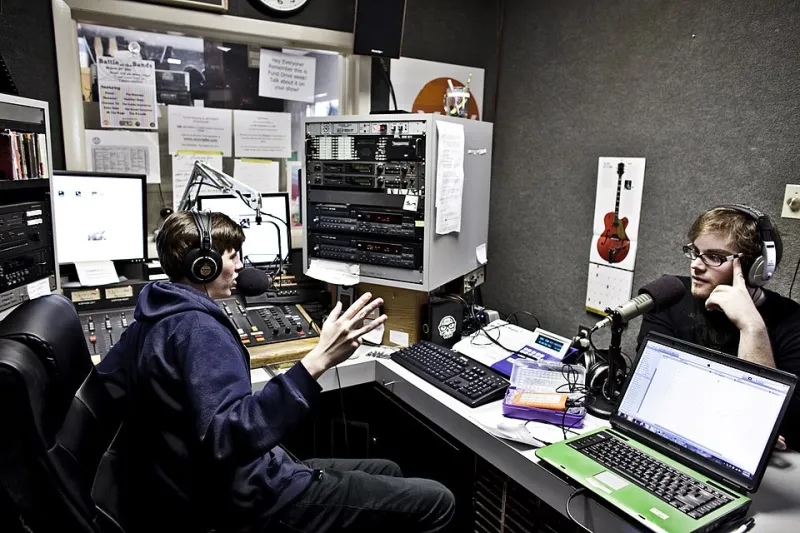
Photo: Lehigh Carbon Community College, CC BY-SA 3.0, via Wikimedia Commons
There is a version of political change that happens from the top down — a charismatic leader, a national wave, a perfectly timed scandal that reshapes the landscape overnight. That version exists. But it is unreliable, and it leaves communities passive, waiting for someone else to determine their political fate.
The more durable version of political change is built from the ground up. It is slower, less photogenic, and considerably more demanding. It also works.
At Red to Blue CA, we have spent years studying and supporting the campaigns that successfully shifted Conservative-held ridings toward progressive representation. What follows is a distillation of what those campaigns did — and what yours can do — to transform a riding's political identity one conversation at a time.
Start With the Riding Association, Not the Candidate
The most common mistake progressive activists make is waiting for the right candidate before they start organising. By the time a star candidate emerges, the foundational infrastructure — the volunteer lists, the donor network, the community relationships — should already exist. A riding association is not a support mechanism for a candidate; it is the organism from which a winning campaign grows.
Jessica Tremblay, who served as president of a Liberal riding association in suburban Ontario before her riding flipped in 2021, describes the transformation plainly: "We spent two years building relationships before we had a candidate. When we finally nominated someone strong, we handed them a campaign that was already half-built. That's why we won."
If your riding association is dormant or under-resourced, the first task is revitalisation. Attend the annual general meeting. Recruit friends and colleagues to do the same. Volunteer for the executive. Boring? Perhaps. Effective? Unquestionably.
Volunteer Recruitment: Quality, Consistency, and Community Mapping
Every organizer will tell you that volunteers are the lifeblood of a riding campaign. What fewer will tell you is that recruiting volunteers indiscriminately — posting a generic social media call-to-action and hoping for the best — produces a fragile, inconsistent volunteer corps that dissolves under the pressure of a real campaign.
The most effective volunteer recruitment is relational. It begins with a simple question: who in your existing network is already engaged, even informally, with political issues? Who shared a post about housing affordability? Who came to a town hall about the local hospital's funding cuts? Who coached your child's soccer team and spent the entire post-game conversation complaining about the state of federal infrastructure?
These are your first volunteers. They do not need to be persuaded that politics matters — they already believe it. They need to be invited into a structure that makes their energy useful.
Once you have a core group, map your community deliberately. Identify neighbourhoods with high concentrations of renters, young families, newcomers, or seniors on fixed incomes — demographics that are disproportionately affected by Conservative policy choices and disproportionately underrepresented in volunteer rosters. Build outreach specifically designed for these communities, in languages that reflect their composition.
Door-to-Door Canvassing: The Science and the Art
Canvassing remains the single most evidence-backed method of voter persuasion and mobilisation available to a local campaign. Study after study — including landmark research from Yale's Institution for Social and Policy Studies — confirms that a genuine, unhurried conversation on a voter's doorstep is dramatically more effective than any digital advertisement or mailer.
The science is well-established. The art is harder to teach, but here are the principles that experienced canvassers return to consistently:
Listen more than you speak. The purpose of a canvass conversation is not to deliver a message; it is to understand what the voter cares about and to connect that concern to your candidate's platform. An organizer in Burnaby described her team's approach: "We trained our canvassers to ask three questions before they said anything about policy. What's the biggest issue in your neighbourhood right now? Has anything changed for your family in the last few years? What would you need to see from a federal MP to feel like someone was actually listening?" The answers shaped their entire campaign communication strategy.
Use voter data, but trust your instincts. Modern canvassing apps like MiniVAN (used by Liberal campaigns) and the NDP's internal tools allow canvassers to prioritise doors based on modelled support scores. These tools are valuable. They are not infallible. A voter coded as a soft Conservative who opens the door in a nurses' union jacket and immediately starts talking about health care underfunding is a persuasion opportunity regardless of what the model says.
Return to the same doors. Research consistently shows that the effect of a canvass conversation is amplified by follow-up contact. A voter who spoke with a canvasser in September and receives a phone call from the same campaign in October is significantly more likely to vote than one who had a single interaction. Build a system for tracking and following up.
Digital Organizing: Amplification, Not Replacement
Social media and digital tools are not substitutes for relational organising — they are amplifiers of it. A campaign that invests exclusively in Facebook advertising while neglecting its volunteer base is building on sand. A campaign that uses digital tools to extend the reach of a strong ground operation is operating at maximum efficiency.
For riding-level campaigns, the most effective digital investments are typically:
- Neighbourhood-specific Facebook and Instagram groups that function as community notice boards, building a sense of local identity around progressive values without being overtly partisan.
- WhatsApp or Signal group chats for volunteer coordination — faster, more personal, and more reliable than email chains.
- YouTube or Instagram Reels featuring the candidate in genuine community settings: at a farmers' market, at a community kitchen, at a school board meeting. Authenticity consistently outperforms production value.
- Email lists built through event sign-ups and canvass interactions, which remain the most reliable channel for converting interest into action.
Dev Sandhu, a digital organiser who worked on two successful progressive campaigns in British Columbia, offers a useful framing: "Every digital interaction should have a next step that happens in the physical world. Someone likes your post? Invite them to a canvass. Someone comments on a housing video? Send them a personal message and ask if they'd come to a community meeting. The screen is a door, not a destination."
Community Engagement: Earning Trust Before You Ask for Votes
The campaigns that most durably shift a riding's political culture are those that are visible and useful to their communities outside of election season. Sponsoring a community clean-up. Hosting a free tax clinic. Partnering with a local food bank. Showing up to municipal council meetings on issues that a federal MP will eventually need to address.
This kind of presence accomplishes two things simultaneously. It builds genuine relationships with community members who may never have engaged with a political party before. And it demonstrates, concretely, that the progressive movement in their riding is not merely an electoral operation — it is a community institution.
That distinction matters enormously to the persuadable voters who decide competitive ridings.
The Long Game
Flipping a riding rarely happens in a single election cycle. The organizers who have done it most successfully describe a multi-year process of relationship building, candidate development, and community trust cultivation that makes the eventual victory feel, in retrospect, almost inevitable.
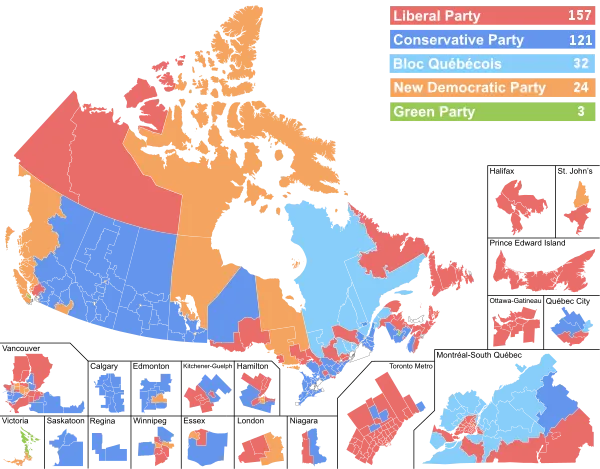
Start now. The 2025 federal election will be decided by campaigns that began their work in 2023 and 2024. Every volunteer recruited today, every door knocked this autumn, every community relationship built before the writ drops is a brick in the foundation of a different political future.
The map can change. It changes because people like you decide to change it.