Around the Table: How Progressive Organizers Are Winning Conservative Households in the Spaces That Actually Matter
The Room Where It Actually Happens
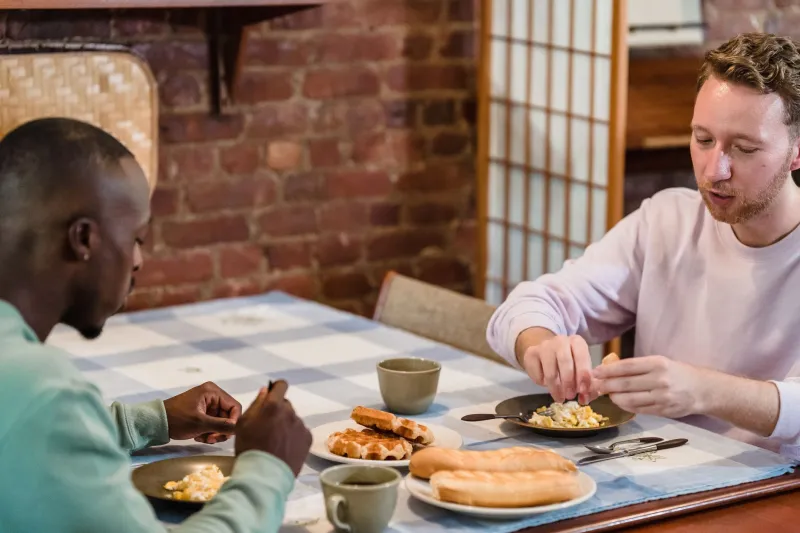
There is a particular kind of political conversation that never makes it onto a campaign's social media feed. It happens after the dishes are cleared, when the children have wandered off to their rooms and the adults linger at the kitchen table with a second cup of coffee. It is unhurried, unscripted, and — according to a growing number of progressive organizers working in Canada's suburban ridings — it is far more persuasive than anything a candidate can say at a podium.
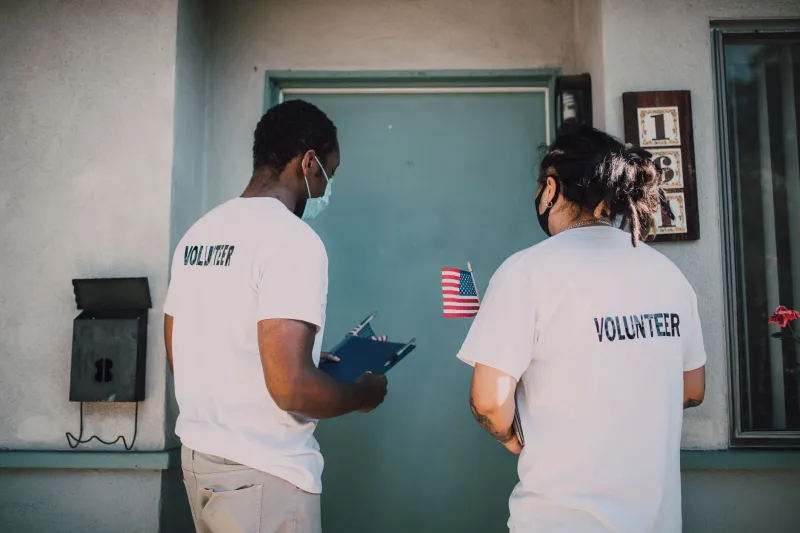
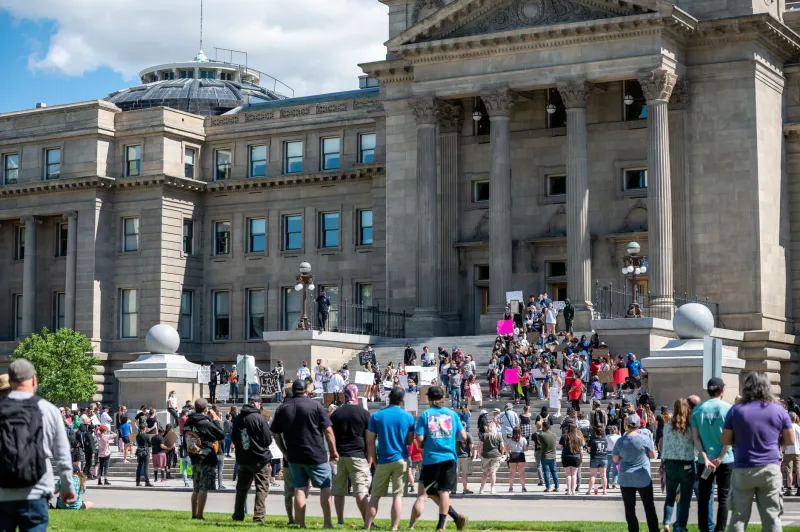
For years, progressive campaigns have invested heavily in the infrastructure of public persuasion: lawn signs, digital advertising, town halls, canvassing scripts rehearsed to the syllable. These tools are not without value. But a quiet strategic shift is underway in ridings from Mississauga to Kelowna, from Abbotsford to the outskirts of Calgary. Organizers are increasingly recognizing that the most durable political conversions do not happen in public — they happen in private, in the informal spaces where Conservative-leaning families actually process their lives.
The kitchen table, in this framing, is not a metaphor. It is a campaign venue.
Why Informal Settings Change the Calculus
Political scientists have long understood that interpersonal persuasion — a conversation with a trusted friend, a sibling, a neighbour — carries substantially more weight than broadcast messaging. What progressive campaigns are now doing is operationalizing that insight in a deliberate, structured way.
The approach varies by riding, but the underlying logic is consistent: identify community members who already have relationships with Conservative-leaning households, equip them with conversational tools rather than talking points, and create low-pressure opportunities for genuine dialogue. The goal is not to ambush anyone with a policy argument. It is to open a door.
"We stopped training volunteers to persuade and started training them to listen," explains one organizer working in a competitive riding in the outer ring of the Greater Toronto Area. "When someone feels heard, they become curious. Curiosity is the first step."
This shift in philosophy has practical consequences for how campaigns are structured. Rather than deploying volunteers primarily as canvassers who knock on doors and deliver a message, some progressive campaigns are now cultivating what they call "table hosts" — trusted community members who invite small groups of neighbours into their homes for informal conversations about issues that affect their daily lives.
The Table Host Model in Practice
The mechanics of a table host gathering are deliberately unglamorous. There is no campaign signage, no formal agenda, no candidate appearance. A host — typically someone with existing social ties to Conservative or swing voters in the neighbourhood — invites six to ten people for coffee or a casual dinner. The conversation is guided, gently, toward issues that the host knows are live concerns for those in the room: housing costs, school funding, healthcare wait times, the price of groceries.
In a riding on the suburban fringe of Ottawa, one organizer described a series of such gatherings held over several months in advance of a federal by-election. "The people who came were not looking for a political experience," she said. "They came because a neighbour they trusted invited them. And because the conversation was about their actual lives — their kid's school, the walk-in clinic that closed — they engaged in a way they never would have at a town hall."
The results were difficult to isolate from other campaign activities, but the organizer noted that follow-up canvassing data in the postal codes where table host gatherings had occurred showed measurably higher rates of voter persuasion than in comparable areas where only traditional canvassing had taken place.
Designing for Authenticity
The most common mistake campaigns make when attempting this kind of intimate outreach, experienced organizers say, is over-engineering it. Participants can sense when a casual gathering has been scripted, and the moment that happens, trust evaporates.
The best table hosts are not ideologically zealous. They are people who have themselves moved along the political spectrum — who once voted Conservative and no longer do, or who have Conservative family members they still love and respect. Their credibility comes precisely from the fact that they are not perceived as partisans.
"You cannot send a card-carrying party member into a room full of conservative suburbanites and expect them to relax," said one veteran organizer who has worked on progressive campaigns in British Columbia and Ontario. "You need someone who speaks the language of that community, who shares their concerns, who is genuinely not there to lecture anyone."
This is why the recruitment and support of table hosts has become a sophisticated undertaking in the campaigns that do it well. Potential hosts are identified through community networks, faith organizations, sports associations, and school parent councils. They are given conversational frameworks — not scripts — that help them steer discussion toward issues where progressive policy positions have broad intuitive appeal, even among voters who would not describe themselves as progressive.
The Ridings Where This Is Moving the Needle
While campaign operatives are understandably reluctant to name specific ridings where this work is ongoing, patterns are visible to anyone paying close attention to polling shifts in Canada's suburban electoral landscape.
In the 905 belt surrounding Toronto, a cluster of ridings that spent most of the 2000s and 2010s cycling between Conservative and Liberal representation have seen a steady erosion of the Conservative base among homeowners under fifty. Organizers in those ridings point to sustained informal outreach — including table host programming — as one contributing factor.
Similarly, in several suburban ridings in Metro Vancouver, progressive campaigns have invested in community liaison networks that function, in effect, as formalized versions of the kitchen table strategy. These networks are built around ethnic community organizations, newcomer settlement groups, and faith communities — spaces where trust already exists and where a political conversation, framed around shared concerns, carries genuine weight.
What This Means for the 2025 Electoral Cycle
As Canada moves toward a federal election, the campaigns that have invested in this kind of ground-level relationship infrastructure are positioned differently than those that have not. The kitchen table strategy is slow. It does not generate the metrics that digital campaigning produces. It is difficult to scale and nearly impossible to automate.
But it produces something that no algorithm can replicate: a voter who has genuinely reconsidered their political identity through a real conversation with someone they trust. In a riding decided by a few thousand votes, that is not a small thing.
Progressive organizers working in Conservative-held suburban ridings are not naive about the difficulty of what they are attempting. They know that decades of political loyalty do not dissolve over a single cup of coffee. But they also know that the most durable shifts in political allegiance begin not with a campaign ad or a policy announcement — they begin with a moment of recognition, around a table, when a voter realizes that the party they have always supported is no longer speaking to the life they are actually living.
That moment, organizers have learned, is best created not by a campaign — but by a neighbour.