Cracks in the Fortress: How Decades-Long Conservative MPs Are Losing Their Safe-Seat Armour

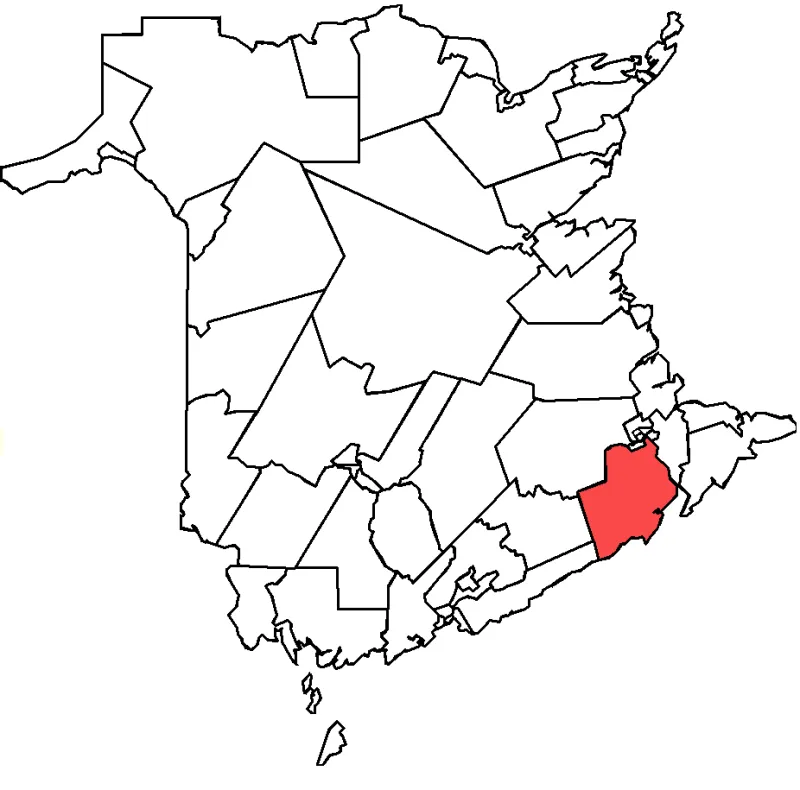
Photo: ImagePerson, CC BY 4.0, via Wikimedia Commons
There is a particular kind of political complacency that sets in after a third or fourth consecutive electoral victory. Constituency offices become less responsive. Town halls grow infrequent. The MP's presence in Ottawa deepens while their roots at home quietly wither. For a generation of Conservative incumbents across Canada, that complacency is now a liability — and progressive organizers are beginning to exploit it with surgical precision.
This is not an article about wishful thinking. It is an examination of measurable trends, documented near-misses, and the structural conditions that are quietly eroding what once appeared to be impenetrable Conservative strongholds from British Columbia's Interior to the exurbs of Southern Ontario.
The Data Behind the Drift
In the 2021 federal election, at least fourteen ridings held by Conservative MPs with more than three consecutive terms saw their winning margins contract by double digits compared to their 2015 results. Several of those seats, which had previously been called before the national broadcast networks finished their opening analysis, suddenly required full counts and, in some cases, recounts.
Electoral analysts point to a confluence of factors. First, population growth in many historically rural or semi-rural ridings has introduced new residents — frequently younger families priced out of urban centres — who do not share the same partisan loyalties as the communities they have joined. Second, the national Conservative Party's ideological positioning has, in certain periods, drifted away from the pragmatic Red Toryism that originally secured many of these seats. When a long-serving MP's party platform diverges sharply from the values of their own constituents, the incumbent's personal vote becomes the only thing standing between them and defeat.
Third, and perhaps most consequentially, incumbency itself carries diminishing returns after a certain threshold. Research on Canadian federal elections consistently demonstrates that the incumbency advantage peaks around a second or third term and then begins a slow decline, particularly when the MP has not held a cabinet portfolio and therefore cannot point to tangible federal investment in the riding.
Case Study: The Near-Miss That Changed the Calculus
Consider the riding of Cariboo–Prince George in British Columbia, a seat that had returned Conservative members with comfortable margins for over two decades. In 2021, a well-organized NDP campaign — anchored by deep canvassing operations in Prince George's expanding suburban precincts and a sharp focus on forestry sector uncertainty — reduced the Conservative margin to fewer than three thousand votes. The incumbent won, but the shock reverberated through the party's national campaign infrastructure.
Similar stories emerged from ridings in the Niagara Peninsula, the outer municipalities of Calgary, and several Nova Scotia constituencies where Conservative MPs had not faced a genuinely competitive race in a decade or more. In each instance, the pattern was recognizable: a progressive campaign that invested heavily in ground-level contact, identified specific local grievances the incumbent had failed to address, and presented a credible, locally-rooted alternative candidate.
The Grievance Architecture
Long-serving incumbents accumulate policy records, and policy records accumulate vulnerabilities. For many Conservative MPs representing ridings that have undergone demographic and economic transformation, the gap between their voting history in the House of Commons and the lived experience of their constituents has grown measurable and, critically, communicable.
Healthcare access in rural and semi-rural ridings remains the single most potent grievance. When a Conservative MP has voted against federal healthcare transfer increases or opposed pharmacare frameworks, and when constituents in that same riding are driving two hours to access specialist care, the connection is not difficult for a skilled progressive campaign to draw. Housing affordability, once considered a metropolitan concern, has migrated decisively into mid-sized cities and smaller communities, creating fertile ground for challengers who can link an incumbent's record on federal housing investment to the struggles of local renters and first-time buyers.
Environmental anxiety, particularly in communities whose economic base is shifting away from extraction industries, adds another layer. Conservative incumbents who have staked their political identity on opposing climate policy face an increasingly complicated conversation in ridings where the effects of drought, wildfire, and extreme weather are no longer abstract.
What Progressive Campaigns Are Doing Differently
The campaigns that have come closest to defeating entrenched Conservative incumbents share several operational characteristics that are worth cataloguing.
They begin candidate recruitment and riding association development significantly earlier than the conventional wisdom suggests is necessary — often eighteen to twenty-four months before an anticipated election call. They invest in demographic mapping that identifies which polls have shifted most dramatically in composition over the previous two electoral cycles. They prioritize earned media in local community papers, radio stations, and regional digital outlets rather than relying exclusively on national party messaging.
Perhaps most importantly, they treat the incumbent's record not as an abstraction but as a local story. Every vote in Parliament has a postal code somewhere in the riding. Every federal funding decision that bypassed the constituency is a conversation waiting to happen on a doorstep.
The Window Is Open — But It Will Not Stay Open Indefinitely
Demographic change and voter fatigue create conditions for upsets; they do not guarantee them. A Conservative incumbent who recognizes the shifting ground beneath them and responds with renewed local engagement, strategic federal announcements, and a modernized campaign infrastructure can recalibrate their position before the next election cycle.
The window that currently exists — created by the intersection of an aging incumbent cohort, rapidly changing riding demographics, and a national political environment that has unsettled traditional partisan alignments — is genuine, but it is not permanent.
For progressive organizers and campaign strategists, the message is clear: the fortress has cracks. The question is whether the work begins now, or whether the opportunity is allowed to close before it is fully understood.